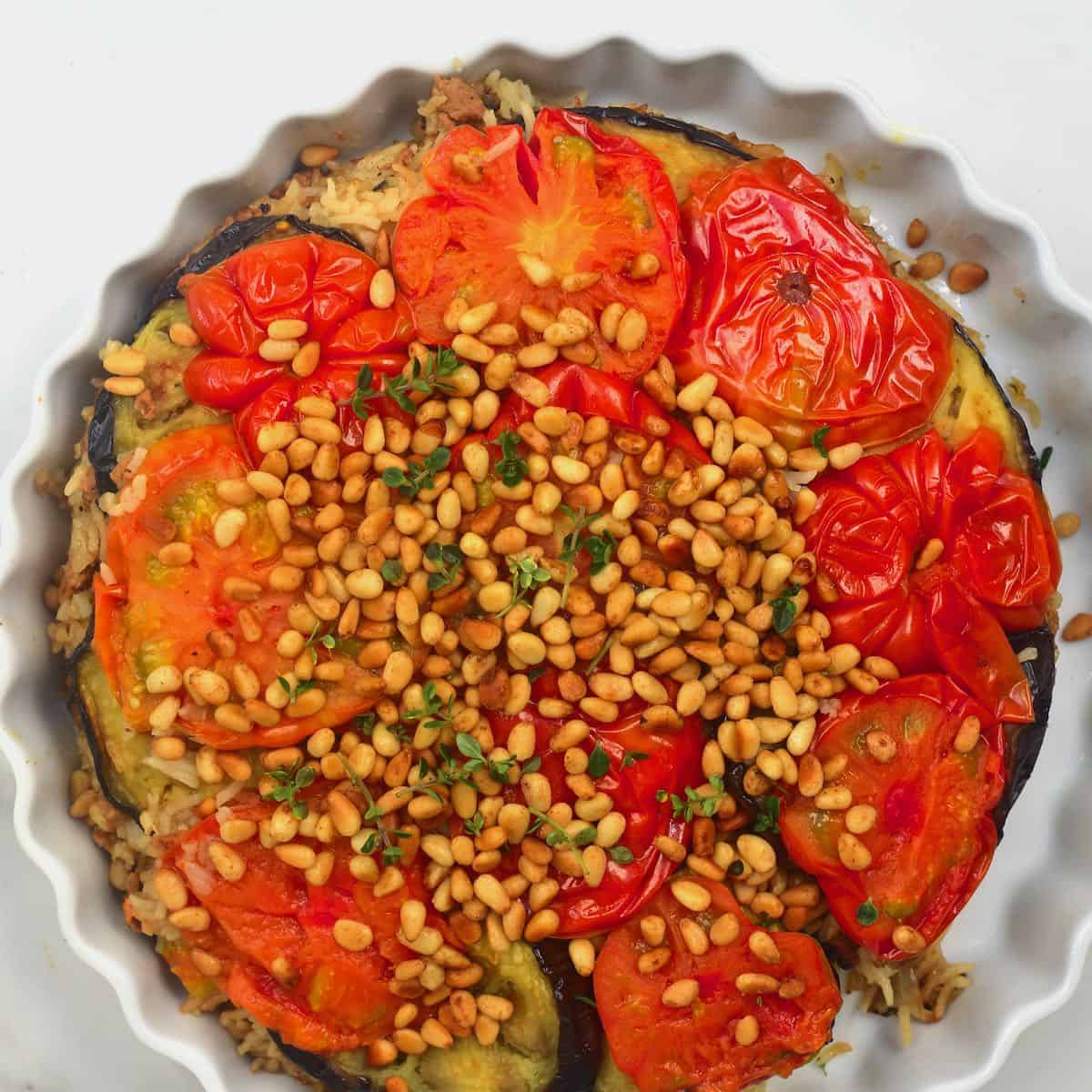
Maqluba Magic: Discover the Hearty Middle Eastern Upside-Down Rice
Imagine a dish so visually stunning, so rich in flavor, and so deeply satisfying that it transcends mere sustenance to become a culinary event. That, my friends, is Maqluba – the enchanting Middle Eastern "upside-down" layered rice dish. Far from being an overly complex endeavor, mastering a
simple maqluba upside down layered rice recipe is a truly rewarding experience, perfect for impressing guests or gathering the family around a truly wholesome meal.
While the current culinary trend often leans towards light and refreshing fare, Maqluba pulls us back to the comforting embrace of hearty, aromatic flavors. It's a dish that celebrates tradition, community, and the transformative power of simple ingredients layered with love. Picture tender vegetables, succulent protein, and fragrant rice, all baked together, then dramatically flipped to reveal a magnificent, edible tower. The anticipation builds with every moment, culminating in a cascade of flavors as the juices permeate the rice, making every bite an unforgettable journey.
What Exactly is Maqluba? The Upside-Down Story
At its heart, Maqluba (often spelled Maqloubeh, Makloubeh, or Maqlooba) is a jewel of Levantine cuisine. Originating from regions spanning Palestine, Jordan, Syria, Lebanon, and Iraq, this iconic dish translates quite literally to "upside-down." This name is a nod to its signature presentation: a carefully constructed pot of layered ingredients—typically meat, fried vegetables, and rice—is inverted onto a serving platter, unveiling its stunning mosaic-like appearance.
More than just a meal, Maqluba carries significant cultural weight. It's often considered the national dish of Palestine and is frequently served during special occasions, family gatherings, and celebrations, symbolizing hospitality and abundance. The traditional preparation often involves deep-frying vegetables for an intensely rich flavor, though modern interpretations frequently opt for healthier baking methods without sacrificing taste. Whether crafted with lamb, chicken, or as a vibrant vegetarian alternative, the essence of Maqluba lies in its aromatic spices and the melding of flavors during its unique cooking process. It’s a complete meal in itself, a true testament to the ingenious culinary heritage of the Middle East.
Crafting Your Simple Maqluba: Key Ingredients & Flavor Profiles
The beauty of a
simple maqluba upside down layered rice lies in its adaptable nature, allowing you to tailor it to your preferences while staying true to its authentic spirit. Success begins with understanding the core components that build its complex flavor profile.
The Foundation: Rice and Stock
*
Rice: Basmati rice is the traditional and most recommended choice for Maqluba. Its long grains cook up fluffy and distinct, preventing the dish from becoming mushy. While brown rice can be used for a healthier twist, ensure it's a long-grain variety to maintain texture. The goal is perfectly cooked, aromatic rice that soaks up all the rich juices.
*
Stock: This is crucial for infusing flavor into the rice and the entire dish. Whether you use homemade stock, a high-quality liquid stock, or a dissolved stock cube, choose one that complements your protein choice – vegetable stock for vegetarian versions, or chicken/beef stock for meat-based ones. The stock is where much of the dish's depth originates.
The Star: Protein Power
*
Traditional Meat: For an authentic experience, lamb or beef, either minced or in tender chunks, is often used. Chicken, particularly on the bone, is another popular choice, adding incredible richness. The meat is typically seasoned and sometimes browned before layering.
*
Vegetarian & Vegan Alternatives: The versatility of Maqluba truly shines here. For a delicious meat-free version, soy mince provides a wonderful texture and protein. Other fantastic options include chickpeas, lentils, or even more vegetables to create a truly hearty plant-based meal. Don't miss out on our in-depth guide:
Simple Vegetarian Maqluba: Master the Upside-Down Rice Dish.
The Layers of Flavor: Vegetables
The vegetables are arguably what make Maqluba so visually appealing and texturally exciting.
*
Core Vegetables: Eggplant, tomatoes, and onions are a classic and essential trio. Eggplant, often lightly fried or baked until tender, contributes a creamy texture and absorbs flavors beautifully. Sliced tomatoes add acidity and color, while onions provide a sweet, aromatic base.
*
Popular Additions: Don't hesitate to include other favorites like cauliflower florets, potatoes (sliced or cubed), and even carrots. These vegetables, when properly prepared (often roasted or pan-fried until slightly caramelized), contribute to the complexity and heartiness of the dish. For a healthier approach, baking the vegetables rather than deep-frying them is a fantastic way to cut down on oil without compromising on flavor, as highlighted in
Flip Your Dinner: How to Make a Healthy & Wholesome Maqluba.
The Aromatic Soul: Spices
The spice blend is the heart and soul of Maqluba, giving it its distinctive Middle Eastern character.
*
Essential Spices: Cinnamon is a fundamental flavor, imparting warmth and a subtle sweetness. Salt and pepper are foundational.
*
Levantine Blend: Many recipes call for a "7-spice" blend, a common Middle Eastern mixture that typically includes allspice, black pepper, cinnamon, cloves, nutmeg, coriander, and cumin. Cardamom and bay leaves are also frequently added, providing layers of fragrant complexity. Don't be shy with your spices; they are what elevate Maqluba from a simple rice dish to a magical culinary experience.
The Finishing Touch: Garnish
Toasted pine nuts are the traditional garnish, adding a delightful crunch and nutty flavor. Fresh parsley or mint can also be sprinkled on top for a burst of color and freshness.
The Magic is in the Method: Layering and Flipping
While the ingredient list might seem extensive, the process of creating a
simple maqluba upside down layered rice is quite straightforward and incredibly satisfying. The "magic" isn't in complex techniques, but in the thoughtful layering and the dramatic reveal.
1.
Prepare Your Components: This involves pre-cooking your chosen protein (browning meat or sautéing soy mince), and tenderizing your vegetables. For best results and a healthier option, roast or pan-fry your vegetables until they are slightly golden and softened. This caramelization adds immense flavor. Season everything generously as you go.
2.
The Art of Layering: The sequence is crucial for that perfect flip.
*
Bottom Layer (The Top Upon Flipping): Start by lining the bottom of a deep, heavy-bottomed pot (a non-stick pot with straight sides works best) with some of your prepared vegetables, particularly sliced tomatoes and eggplant, which create a beautiful pattern. If using bone-in chicken, place it here to ensure it's beautifully browned and presents well.
*
Middle Layer: Add your cooked protein (mince, chicken, chickpeas) over the base.
*
Upper Layers: Distribute the remaining cooked vegetables evenly.
*
The Grand Finale – Rice: Gently spread the pre-soaked and drained rice over the top. Do not press down too firmly.
3.
Infuse and Cook: Carefully pour your hot, seasoned stock over the rice and layers. The stock should just cover the rice. Bring it to a boil, then reduce the heat to low, cover tightly, and simmer until the rice is cooked and all the liquid is absorbed. This typically takes about 20-30 minutes, followed by a resting period off the heat to allow the flavors to meld further and the steam to finish cooking the rice.
4.
The Grand Flip: This is the moment of truth! Place a large serving platter face down over the pot. With oven mitts (and often a second pair of hands for larger pots), firmly grasp both the pot and the platter and, in one swift, confident motion, flip them over. Let the pot rest upside-down on the platter for 5-10 minutes. This allows gravity to work its magic, ensuring all the layers settle beautifully and release cleanly from the pot.
5.
The Reveal: Slowly and carefully lift the pot off the platter to unveil your magnificent Maqluba tower. Garnish with toasted pine nuts and fresh herbs. Serve immediately with a side of cool yogurt, a crisp green salad, or a simple cucumber and tomato salad. The combination of warm, spiced rice and cool, tangy accompaniments is simply divine.
Making Maqluba Your Own: Tips for Success & Customization
Don't be intimidated by the impressive presentation; making a delicious Maqluba is well within reach for any home cook.
*
Pre-Soak Your Rice: Soaking basmati rice for 30 minutes before cooking helps it cook more evenly and prevents it from becoming sticky.
*
Don't Overcrowd the Pot: Choose a pot that allows for ample layering without being overly packed. A wider pot often works better than a very tall, narrow one.
*
Patience is Key for the Flip: Resist the urge to lift the pot too soon. The resting time allows the steam to dissipate and the layers to set, making for a cleaner release.
*
Taste and Adjust: Always taste your stock and season your vegetables and meat generously before layering. Adjust spices to your preference. Some enjoy a bolder cinnamon presence, others prefer more cardamom.
*
Experiment with Vegetables: While eggplant and tomato are classic, feel free to explore. Sweet potatoes can add a lovely sweetness, and bell peppers can contribute color and a mild crunch.
Conclusion
Maqluba is more than just an "upside-down" rice dish; it's an invitation to experience the heart and soul of Middle Eastern hospitality. From its vibrant layers of seasoned vegetables and tender protein to its aromatic, spiced rice, every element contributes to a deeply satisfying and visually stunning meal. Mastering a
simple maqluba upside down layered rice recipe is a truly rewarding endeavor, offering a wholesome, impressive, and unforgettable dining experience for family and friends. So, gather your ingredients, embrace the magic of the flip, and prepare to embark on a delicious culinary adventure that will undoubtedly become a cherished part of your kitchen repertoire.