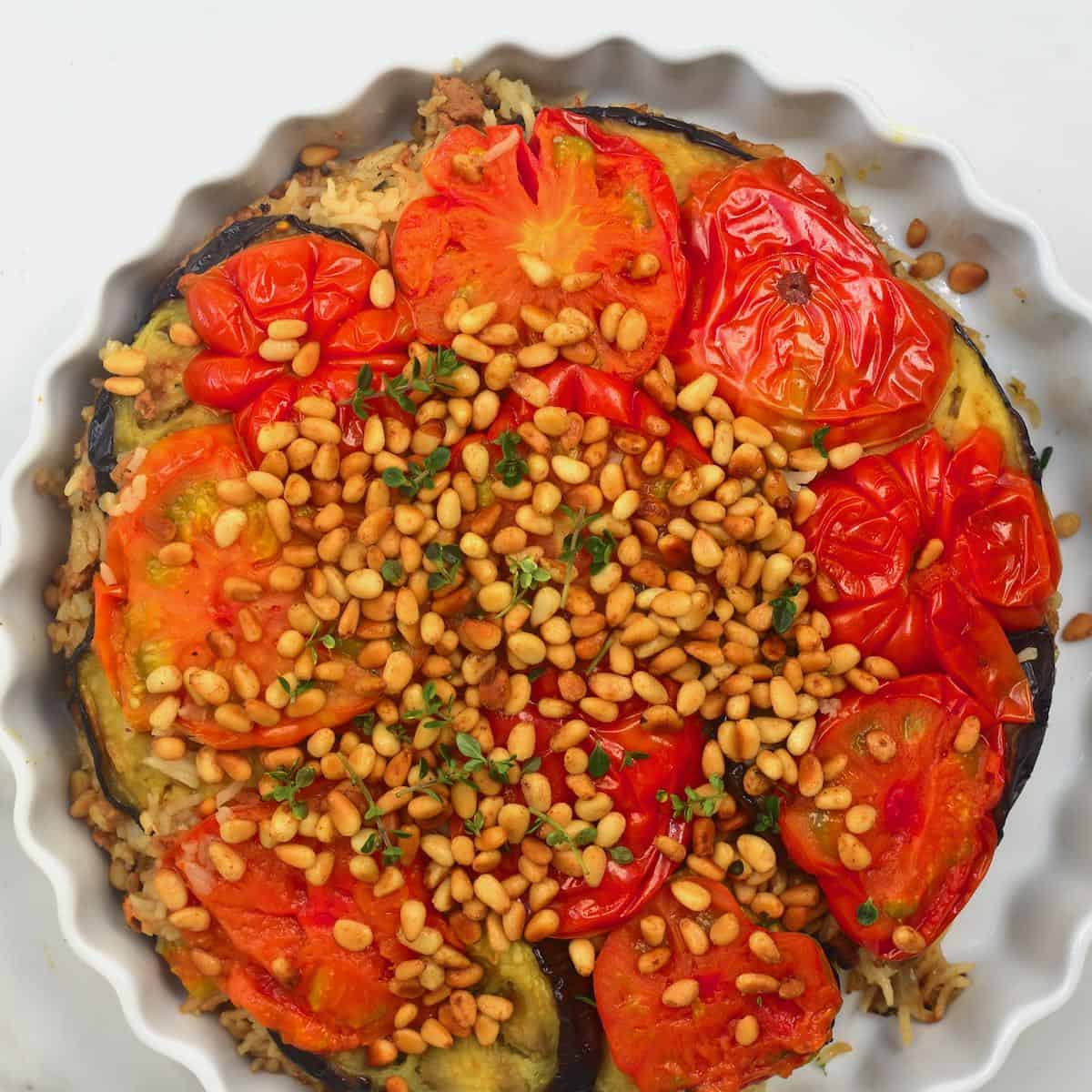
Simple Vegetarian Maqluba: Master the Upside-Down Rice Dish
Are you searching for a dish that’s both comforting and visually stunning, yet surprisingly simple to prepare? Look no further than the enchanting world of Maqluba. This iconic Levantine creation, whose name literally translates to “upside-down,” promises a truly memorable dining experience. While traditionally made with meat, we're diving into a delightful and wholesome plant-based rendition: the
simple vegetarian maqluba upside down layered rice. Forget the notion that gourmet means complicated; this dish is designed to impress your guests with its layers of savory vegetables, aromatic rice, and a grand reveal that will have everyone reaching for their cameras.
In a culinary landscape often dominated by quick fixes, Maqluba offers a return to hearty, wholesome cooking that nourishes both body and soul. Unlike lighter, refreshing salads that might grace your table in warmer months, this Maqluba brings robust flavors and satisfying textures. It’s a complete meal in one pot, where ingredients meld together as they bake, allowing all the rich juices from the vegetables to infuse every grain of rice. The result? A surprisingly beautiful, healthy, and incredibly flavorful centerpiece for any meal.
Unearthing Maqluba: A Culinary Tradition
Maqluba (also frequently spelled Maqloubeh, Makloubeh, Maqlooba, or Maklouba) is much more than just a rice dish; it's a culinary ritual deeply ingrained in the culture of the Levant. From Iraqi and Lebanese tables to Syrian, Palestinian, and Jordanian homes, this layered marvel is a symbol of hospitality and often reserved for special occasions or family gatherings. Its distinctive name, "upside-down," perfectly encapsulates its show-stopping presentation.
At its core, Maqluba consists of meat (traditionally lamb or beef), fried vegetables, and rice, all carefully layered in a pot, cooked, and then ceremoniously inverted onto a serving platter. This particular version, however, embraces a meat-free approach, making it accessible to vegetarians and those seeking a plant-based alternative without sacrificing an ounce of flavor or authenticity. Our focus today is on a
simple maqluba upside down layered rice that maintains the essence of this Middle Eastern classic, relying on hearty vegetables and plant-based protein to deliver a truly satisfying experience. For a deeper dive into the rich history and various forms of this incredible dish, explore
Maqluba Magic: Discover the Hearty Middle Eastern Upside-Down Rice.
Crafting Your Simple Vegetarian Maqluba: Ingredients & Flavor Palette
The beauty of a
simple vegetarian maqluba upside down layered rice lies in its flexible yet distinct ingredient profile. While the concept is simple, the right combination ensures an unforgettable meal.
Key Components:
- Plant-Based Protein: Our recipe champions soy mince as an excellent stand-in for traditional ground meat. It absorbs flavors beautifully and provides a satisfying texture and protein boost. For those who prefer other options, cooked lentils, chickpeas, or even finely diced and sautéed mushrooms can work wonders, adding different textural dimensions.
- The Vegetable Stars: The quintessential Maqluba features a delightful trio of eggplant, tomatoes, and onions. The eggplant becomes beautifully tender, while the tomatoes and onions lend a crucial sweetness and depth.
- Eggplant: Often the first layer, it creates a wonderful base. Slicing and salting them before cooking helps draw out bitterness and excess moisture.
- Tomatoes: Sliced and layered, they provide essential moisture and a tangy counterpoint.
- Onions: Caramelized or simply softened, they form the aromatic foundation.
But don’t stop there! Other popular additions include cauliflower florets (often roasted until golden), hearty potato slices, carrots, or even bell peppers. For a healthier touch, consider roasting or pan-frying your vegetables instead of deep-frying, which is a common traditional method.
- Rice: Basmati rice is the standard and highly recommended choice for Maqluba. Its long grains cook up fluffy and separate, preventing the dish from becoming mushy. Rinsing the rice thoroughly before cooking is crucial to remove excess starch. While basmati is ideal, other long-grain rice varieties can also be used. Avoid shorter-grain rices, as they tend to become stickier and less appealing in this dish.
- Flavor-Infused Stock: A good quality vegetable stock is paramount. It's the liquid that will cook your rice and carry the dish's core flavors throughout. You can use homemade stock, a stock cube dissolved in water, or liquid stock from a carton.
- The Aromatic Spices: This is where Maqluba truly shines. Beyond the essential salt and pepper, cinnamon plays a starring role, lending a warm, earthy sweetness. However, for an authentic Middle Eastern aromatic profile, the addition of a "7-spice" blend (Baharat) and a hint of cardamom is transformative.
- 7-Spice Blend (Baharat): This common Middle Eastern mix typically includes black pepper, cumin, coriander, cloves, nutmeg, cardamom, and paprika. It provides a complex, warm, and slightly sweet flavor.
- Cardamom: A touch of ground cardamom elevates the aroma, adding a distinctive fragrant note.
- Cinnamon: Essential for its warm, sweet undertone.
These spices are not merely seasoning; they are the heart of Maqluba’s signature taste.
- Healthy Oils: Olive oil or avocado oil work wonderfully for sautéing vegetables and providing a rich mouthfeel. For those who enjoy it, homemade ghee can also add a distinct flavor.
- Garnish: Toasted pine nuts are a traditional and highly recommended garnish, adding a delightful crunch and nutty flavor. Fresh parsley or cilantro, along with a dollop of plain yogurt or a drizzle of tahini sauce, can further enhance the serving experience.
The Art of Layering and the Grand Flip
The magic of Maqluba lies not just in its ingredients, but in the deliberate process of layering and the dramatic reveal. Mastering this technique ensures both a delicious and visually stunning outcome.
Step-by-Step Excellence:
- Prepare Your Ingredients: Begin by prepping all your vegetables. Slicing eggplant and potatoes (if using) and lightly salting them can help improve texture. Roast or pan-fry your vegetables until tender and lightly golden, rather than deep-frying, for a healthier touch. Sauté the soy mince with onions and your chosen spices until fragrant and browned.
- Layering in the Pot: This is the crucial stage. Choose a heavy-bottomed pot that you can later invert. Many find a non-stick pot or one with a well-oiled base helpful.
- Bottom Layer: Start with sliced tomatoes at the very bottom, arranged decoratively. These provide moisture and prevent sticking. Some recipes also place the cooked eggplant or potato slices directly on the bottom.
- Vegetable & Protein Layers: Next, arrange your cooked vegetables (eggplant, potatoes, cauliflower, etc.) and the seasoned soy mince in alternating layers or mixed together. Create a beautiful pattern – this is what will be seen when flipped!
- Rice Layer: Finally, evenly spread the rinsed basmati rice over the vegetable and protein layers.
The exact order can vary slightly, but the principle is to build a foundation that will hold its shape and allow flavors to infuse.
- Adding the Liquid & Cooking: Carefully pour your hot, seasoned vegetable stock over the rice. The stock level should just cover the rice by about an inch. Bring the pot to a boil, then reduce the heat to low, cover tightly, and let it simmer. This slow cooking allows the rice to absorb all the aromatic stock and for the flavors from the vegetables and spices to meld. Cook until the rice is tender and the liquid is fully absorbed – typically 30-40 minutes.
- The Rest & The Flip: This is the moment of truth! Once cooked, remove the pot from the heat and let it rest, still covered, for at least 10-15 minutes. This resting period is critical; it allows the steam to redistribute, the rice to firm up, and the layers to settle, making for a much cleaner flip.
- Choose Your Platter: Select a serving platter that is larger than the mouth of your cooking pot.
- The Inversion: Place the platter upside down firmly over the pot. With a confident, swift motion, carefully invert the pot and platter together.
- The Reveal: Gently lift the pot. If all goes well, you'll be greeted by a perfectly sculpted dome of rice, vegetables, and soy mince. Don't fret if it's not absolutely perfect on your first try – the taste will still be incredible!
- Garnish & Serve: Garnish generously with toasted pine nuts, fresh herbs, and serve immediately with a side of plain yogurt, a simple cucumber salad, or pickles.
For more hands-on advice and to ensure your flip is a triumph, you might find valuable insights in
Flip Your Dinner: How to Make a Healthy & Wholesome Maqluba.
Why Choose a Vegetarian Maqluba?
Opting for a vegetarian Maqluba isn't just a dietary choice; it's a celebration of flavor, health, and versatility.
- Health Benefits: By replacing meat with plant-based alternatives and roasting vegetables, you significantly reduce saturated fat content while boosting fiber intake. It's a healthy, wholesome meal that leaves you feeling satisfied, not heavy.
- Ethical & Environmental Considerations: A plant-based Maqluba aligns with vegetarian and vegan lifestyles, offering a delicious way to reduce your environmental footprint.
- Dietary Inclusivity: This version makes the beloved Maqluba accessible to a wider range of diners, ensuring everyone can enjoy a taste of this Middle Eastern classic.
- Flavor Profile: Far from being a compromise, the vegetarian version allows the vibrant flavors of the vegetables and aromatic spices to truly shine. The subtle sweetness of cooked eggplant, the tang of tomatoes, and the earthy spices create a symphony of tastes that is uniquely delicious.
Conclusion
The
simple vegetarian maqluba upside down layered rice is a testament to the power of thoughtful cooking – a dish that transforms humble ingredients into a spectacular meal. It’s a journey of layering, slow cooking, and a dramatic flip that culminates in a wholesome, aromatic, and visually stunning centerpiece. Whether you’re a seasoned cook or just beginning your culinary adventures, mastering this iconic Middle Eastern dish is a rewarding experience. It’s perfect for impressing guests, delighting your family, or simply enjoying a comforting meal that transports your senses to the heart of the Levant. Give this upside-down marvel a try, and discover the magic of Maqluba for yourself!